Opening a Pilates studio is an exciting step in the growing global fitness industry. One of the most common questions new studio owners ask is: How many Pilates reformers does a studio need?
The answer depends on several factors such as studio size, class structure, budget, and long-term business goals. Choosing the right number of reformers is important because it affects your class capacity, customer experience, and overall profitability.
For studio owners and investors, understanding the ideal number of reformers can help maximize space efficiency and ensure a strong return on investment. In this guide, we will explore how many reformers most studios use, what factors influence the decision, and how to choose the right equipment for professional Pilates studios.
1. Why Pilates Reformers Are Essential for Studios
The Pilates reformer is the most important piece of equipment in any Pilates studio. Unlike mat Pilates classes, reformer Pilates provides a more dynamic and versatile workout using a spring-based resistance system.
For studio owners, reformers offer several advantages:
- They allow instructors to teach structured group classes
- They support both beginner and advanced training programs
- They provide a premium fitness experience for clients
- They increase studio revenue through small-group sessions
Because reformer classes are one of the most popular Pilates training formats worldwide, most studios build their business model around reformer-based classes.
This is why determining the correct number of reformers is one of the first steps when designing a Pilates studio.
2. Average Number of Reformers in a Pilates Studio
Most professional Pilates studios operate with 6 to 12 reformers.
This range allows studios to offer small group classes while maintaining high-quality instruction and personal attention for each client.
Typical studio configurations include:
- 6 reformers – small boutique studio
- 8 reformers – compact studio with moderate capacity
- 10 reformers – standard professional studio
- 12 reformers – high-capacity studio
Many successful Pilates studios around the world start with 8 or 10 reformers, which provides a balance between class size, space efficiency, and equipment investment.
3. Small Pilates Studio Setup
Small Pilates studios usually focus on boutique training experiences. These studios often operate in urban areas where space is limited.
Typical equipment setup:
- 4 to 6 Pilates reformers
- 1 instructor station
- small storage area for accessories
Advantages of smaller reformer setups include:
- More personalized instruction
- Lower startup costs
- Premium studio experience
However, smaller studios may have limited class capacity, which can affect long-term revenue growth.
4. Medium Pilates Studio Setup
Medium-sized studios are the most common format in the Pilates industry.
These studios typically include:
- 8 to 10 reformers
- dedicated instructor area
- accessory equipment such as rings, straps, and resistance bands
This setup allows instructors to run group reformer classes, which are highly profitable and popular with clients.
Benefits of a medium studio configuration include:
- balanced class size
- efficient space usage
- strong revenue potential
For many studio owners, this setup provides the ideal balance between operational cost and customer experience.
5. Large Pilates Studio Setup
Large studios or fitness centers may operate with 12 to 20 reformers or more.
These studios often offer:
- large group reformer classes
- instructor certification programs
- multiple training areas
Large Pilates studios usually require:
- spacious layouts
- professional-grade equipment
- durable reformers designed for heavy daily use
Because the equipment will be used frequently throughout the day, investing in commercial-grade Pilates reformers becomes especially important.
6. Factors That Determine How Many Reformers You Need
There is no single answer to how many reformers a studio should have. Several key factors influence the decision.
Studio size
The physical size of the studio is one of the biggest considerations. Each reformer typically requires enough surrounding space for safe movement and instructor access.
Most reformers require 2–3 square meters of space for comfortable use.
Class structure
If your studio focuses on small group training, fewer reformers may be needed. Studios that run large group sessions may require more machines to accommodate multiple clients.
Target clientele
Studios targeting premium or private training may operate with fewer reformers, while studios focused on group fitness may require more equipment.
Business goals
Studio owners planning rapid growth often invest in additional reformers from the beginning to support higher class capacity.
7. Space Planning for Pilates Reformer Equipment
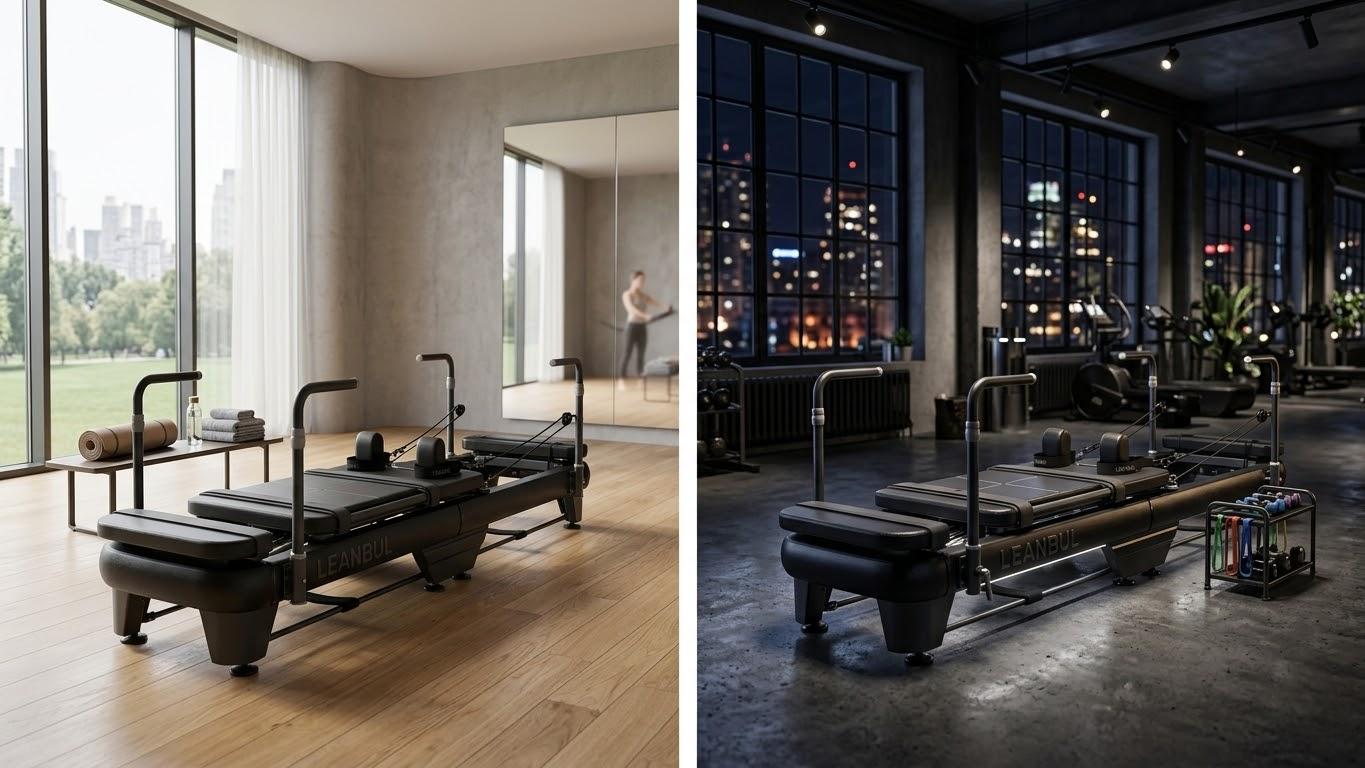
Efficient studio layout is essential for creating a comfortable training environment.
When planning the placement of reformers, studio owners should consider:
- walking space between machines
- instructor movement area
- client safety zones
- storage for accessories
A well-designed Pilates studio ensures that clients can move safely and instructors can easily assist during exercises.
Proper space planning also improves the overall appearance and professionalism of the studio.
8. Budget Considerations for Studio Owners
Equipment investment is one of the largest startup costs when opening a Pilates studio.
The price of a professional reformer can vary depending on materials, design, and brand. High-quality machines are built with durable frames, smooth rail systems, and long-lasting resistance springs.
Although premium reformers may cost more initially, they often provide better durability and lower maintenance costs over time.
Studio owners should consider reformer equipment as a long-term investment rather than a short-term expense.
9. Choosing Commercial Pilates Reformers for Professional Use
Because Pilates studios operate with high daily usage, choosing commercial-grade reformers is essential.
Professional reformers are designed to withstand:
- multiple daily classes
- clients with different body weights
- intensive instructor-led workouts
Commercial reformers typically feature:
- reinforced aluminum frames
- precision rail systems
- durable resistance springs
- adjustable training components
These features ensure consistent performance and a safe training experience for studio clients.
10. Recommended Equipment for Modern Pilates Studios
Modern Pilates studios are increasingly choosing professional reformers designed specifically for commercial environments.
High-quality studio reformers provide:
- smooth carriage movement
- stable structural support
- ergonomic training design
- long-term durability
Professional Pilates equipment manufacturers continue to improve reformer technology to meet the needs of modern studios, including enhanced comfort, improved safety, and more versatile training options.
Choosing reliable equipment helps studios maintain consistent service quality and build a strong reputation among clients.
11. Planning for Future Studio Growth
When determining how many reformers to purchase, studio owners should also consider future expansion.
Some studios start with 6 to 8 reformers and gradually increase capacity as demand grows.
Planning for expansion may include:
- leaving extra space for additional machines
- selecting modular studio layouts
- investing in equipment designed for long-term use
A scalable studio design allows owners to grow their business without major renovations or equipment replacements.
12. Final Thoughts
So, how many Pilates reformers does a studio need?
Most professional studios operate with 6 to 12 reformers, depending on the available space, class structure, and business model.
Small boutique studios may start with fewer machines to create a personalized training experience, while larger studios may install more reformers to support group classes and higher client capacity.
The key to building a successful Pilates studio is not just the number of machines, but also choosing high-quality professional reformers that deliver durability, safety, and excellent training performance.
By carefully planning studio space, equipment investment, and long-term growth strategy, studio owners can create a Pilates environment that supports both client satisfaction and business success.
How many Pilates reformers are in a typical Pilates studio?
Most Pilates studios have 6 to 12 reformers. Smaller boutique studios may operate with 4–6 machines, while larger studios may use 10–15 reformers for group classes.
How much space does a Pilates reformer need?
A Pilates reformer typically requires about 2–3 square meters of space to allow safe movement and instructor access.
How much does a Pilates reformer cost for a studio?
A professional Pilates reformer usually costs between $1,800 and $6,000, depending on the materials, features, and manufacturer.
What equipment does a Pilates studio need besides reformers?
Most studios also include:
Pilates chairs
Cadillac or tower equipment
resistance bands
Pilates rings
exercise mats
These accessories expand the variety of training programs.
What type of Pilates reformer is best for studios?
Studios should choose commercial Pilates reformers designed for heavy daily use. These machines typically feature reinforced frames, durable springs, and smooth carriage systems.
Typical Pilates Studio Equipment Setup
| Studio Type | Number of Reformers | Class Size |
|---|---|---|
| Small Studio | 4–6 | Small private classes |
| Medium Studio | 8–10 | Standard group sessions |
| Large Studio | 12–15 | Large group classes |